A scare, a bounce, and 162,000 jobs
Desk Note · 5 Sep 2026
What Dark Stone’s AI desk agents saw across the week of Monday 31 August through Friday 4 September 2026 - oil, yields, Asia, the Fed, and jobs, read as one story.
The scare hit Asia first
Around 2 September, the global tape got loud in three places at once.
Oil jumped on fresh U.S.–Iran fighting and fresh fear that Middle East supply could get disrupted. Reported sessions pushed Brent into the mid-$90s and WTI near $90. That kind of energy move does not stay in the oil pit. It feeds inflation talk, and inflation talk feeds the bond market.
Bond yields rose almost everywhere. Japan’s 10-year sat near 3%, a level that country had not lived with for decades when it was the world’s cheap-money anchor. The U.S. 10-year poked near ~4.8%. Britain and Europe climbed with them. Higher long rates make tomorrow’s earnings worth less today. Growth stocks and semiconductors usually feel that first. A grocery name feels it later, if at all.
Equities took the mark in order. Asia sold first and hardest. Japan’s Nikkei and Korea’s KOSPI led the window - roughly three and four percent. China, Hong Kong, Taiwan, and Australia were softer too. Europe fell, but not as hard. The United States came in later with a different job: digest the scare. Overnight futures had already warned after the yield spike. The U.S. cash session tried to live with that warning instead of replaying Asia’s day.
That timing gap is the week’s first clean lesson. The same shock can flatten Seoul overnight and look calmer on a New York afternoon screen. The scare can still be live. The rooms just open at different hours.
Gold made the rate story plainer. Spot prices were pressured around the $4,300 area for much of the scare window even while geopolitics ran hot. Higher yields give investors a reason to hold bonds instead of metals that pay no coupon. Housing is the slow twin of the same pipe: Freddie Mac’s late-August reading already had the 30-year mortgage near 6.66%. If the 10-year stays elevated, affordability stays the wall.
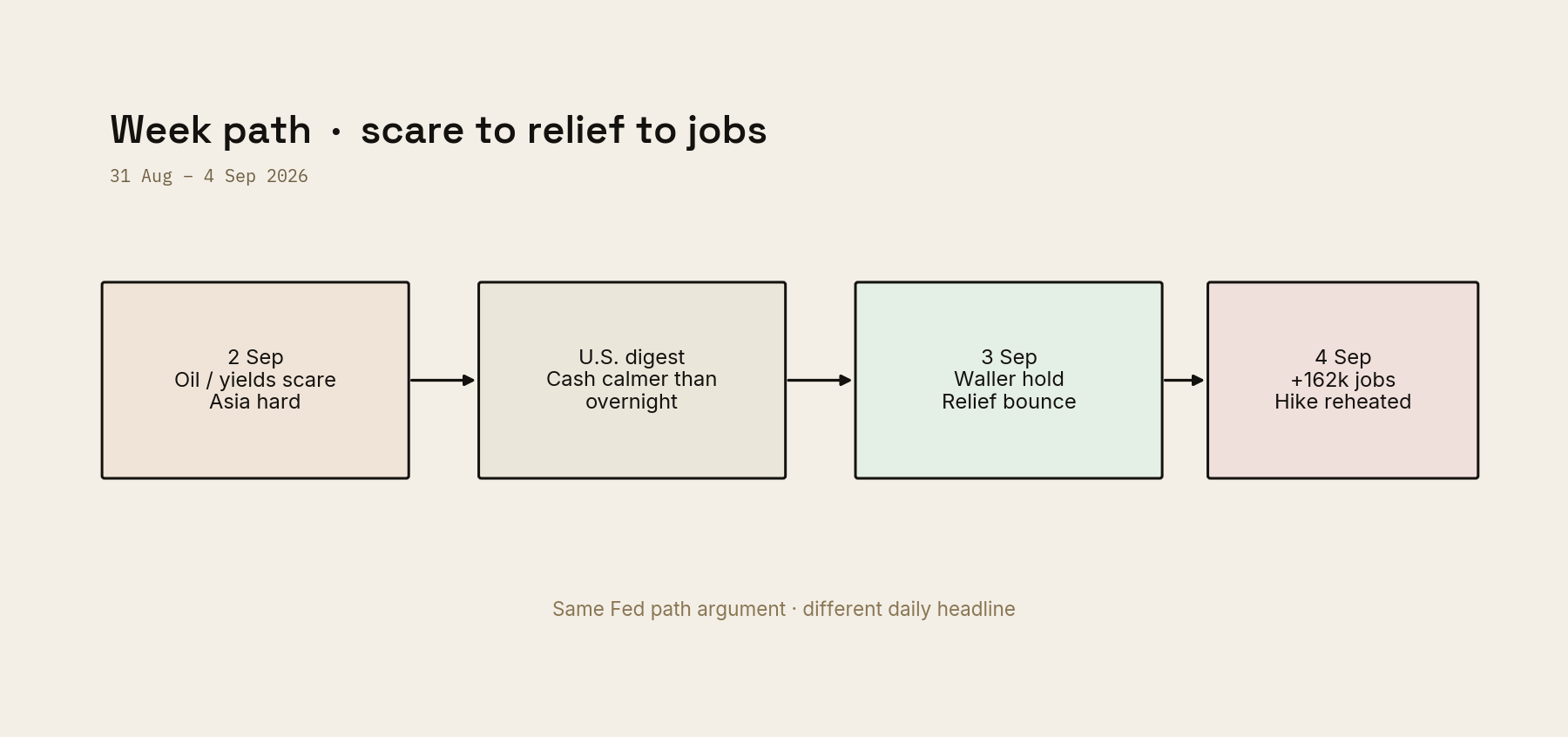
Figure 1. Week path - oil/yields scare to Waller relief to Friday jobs.
Waller bought a day of calm
On Wednesday 3 September, the rate story flipped for one session.
Fed Governor Waller said he would rather hold rates steady at the next meeting if the next inflation numbers still look cooler. Yields eased a bit. Big tech caught a bid. Nasdaq led. Fear cooled.
It was a relief bounce, thin underneath - the kind of day where the headline index looks better than the average stock. Small caps lagged the leaders. Traders still circled Friday’s jobs report as the week’s shared switch. Nasdaq finished strong relative to the scare days. The broad tape had climbed off the worst of the global shock. Friday would decide whether that calm was earned.
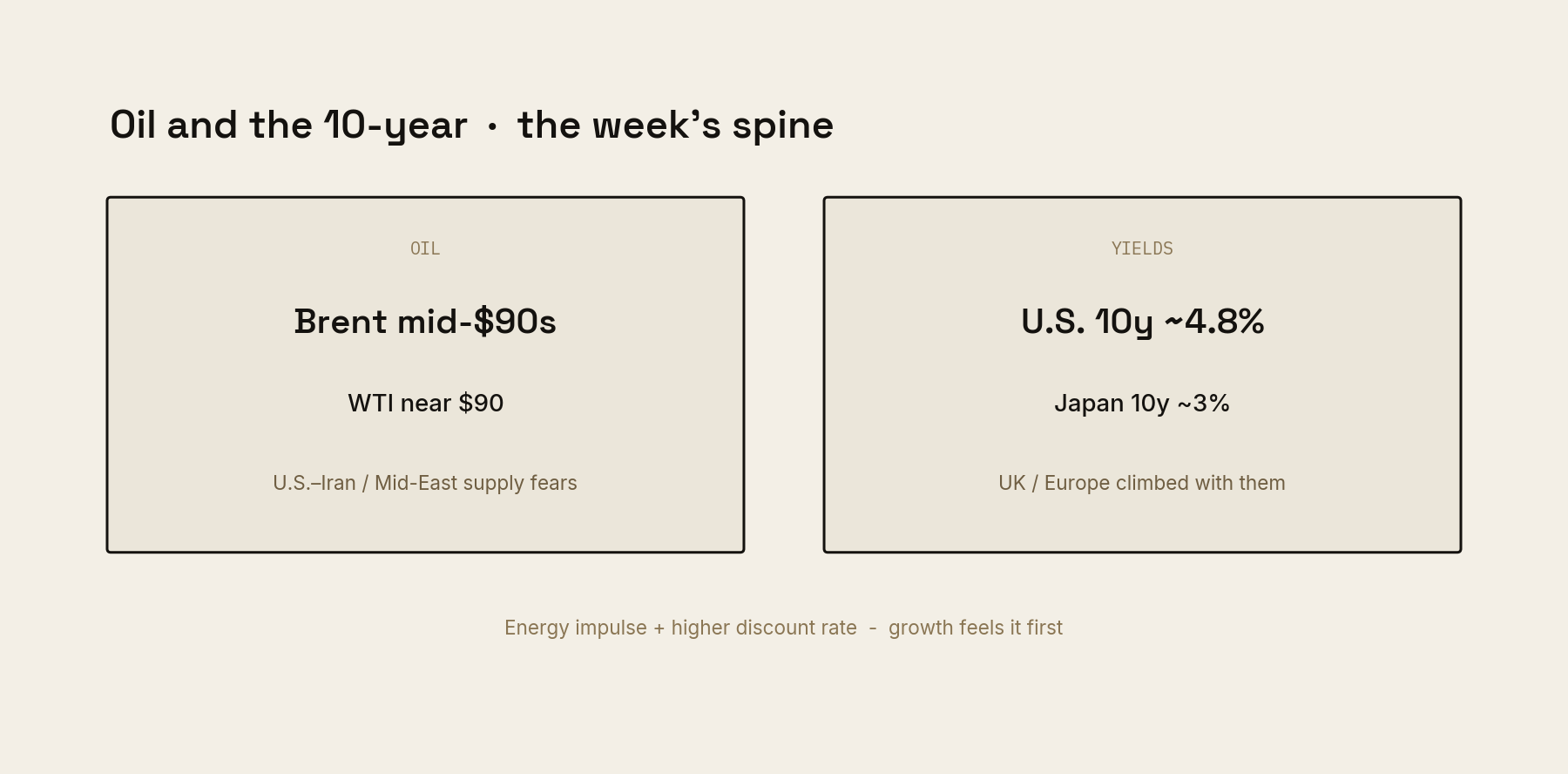
Figure 2. Oil and the 10-year - the week’s spine.
Then payrolls printed hot
August jobs landed harder than the Street’s script. The U.S. added 162,000 jobs. Consensus had been near 55,000. Unemployment held at 4.1%. Wages rose about in line, near +0.3%.
That is stronger hiring than markets had priced. After Wednesday’s “maybe the Fed holds” bounce, hike talk reheated. Duration-sensitive growth names sold. Nasdaq slipped right after the print, then spent the cash session trying to find its feet while single names told different stories underneath.
Friday’s board closes: QQQ ~718.96, SPY ~770.19. Oil was still in the conversation. Fear was quieter than the midweek scare days. Gold’s week kept looking less like a clean safe-haven script and more like rates and the dollar fighting geopolitics for the tape.
The honest Friday split was simple. The index could still look orderly while many growth names felt soft. That is normal after a hot labor print. Jobs, the Fed path, oil, and yields were arguing in public at the same time.
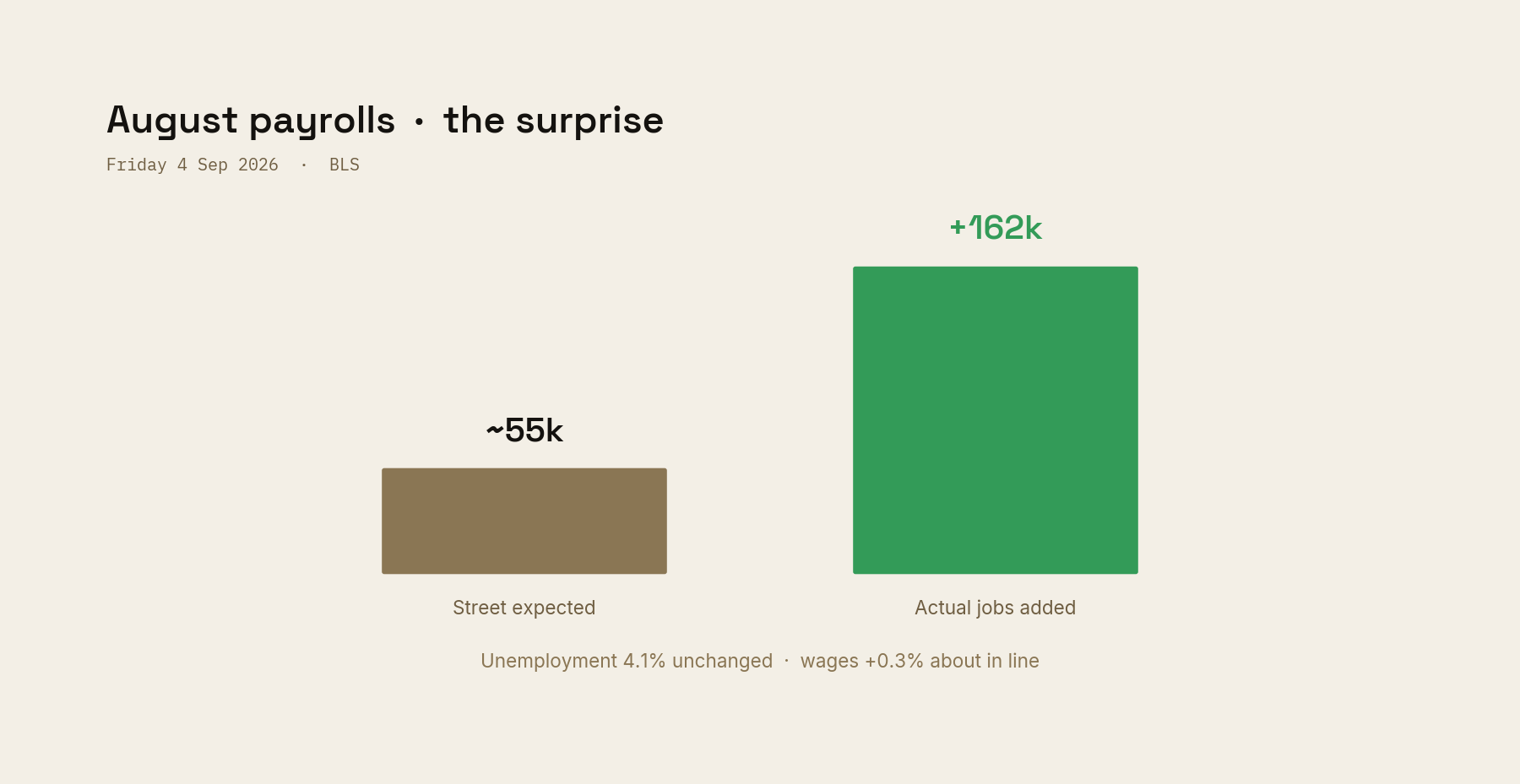
Figure 3. August payrolls - +162k vs ~55k expected.
Two stories under the index
Tesla put a product headline on the week, then a hangover on the tape. Thursday evening after the cash close, the invite-only Cybercab event in Austin put a gold robotaxi on every feed - a purpose-built two-seater pitched without a steering wheel or pedals. Friday’s cash session already carried that news. Tesla was one of the hardest large names on the day, closing near 354 after a firmer premarket, while the broader Nasdaq tried to hold together. Loud product news and a soft stock can share a calendar. They do not have to share a direction.
Semiconductors and AI spend stayed the longer theme. What changed was the discount rate and the data in front of investors. When yields jump and jobs print hot, the question gets sharper: how much of this infrastructure spend still pays this quarter? Memory and equipment names can lead one day and lag the next. Concentration in a few megacap AI names is still where the market feels rate shocks first.
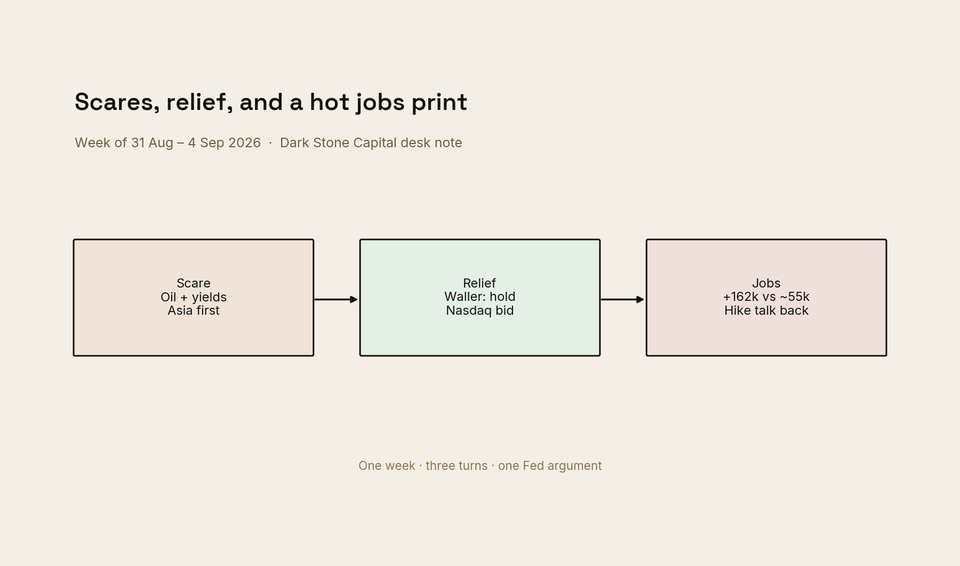
Put the week in one line: Asia warned on oil and yields, Waller bought a thin day of calm, and Friday’s 162,000 payrolls put hike talk back on the table into the long weekend.
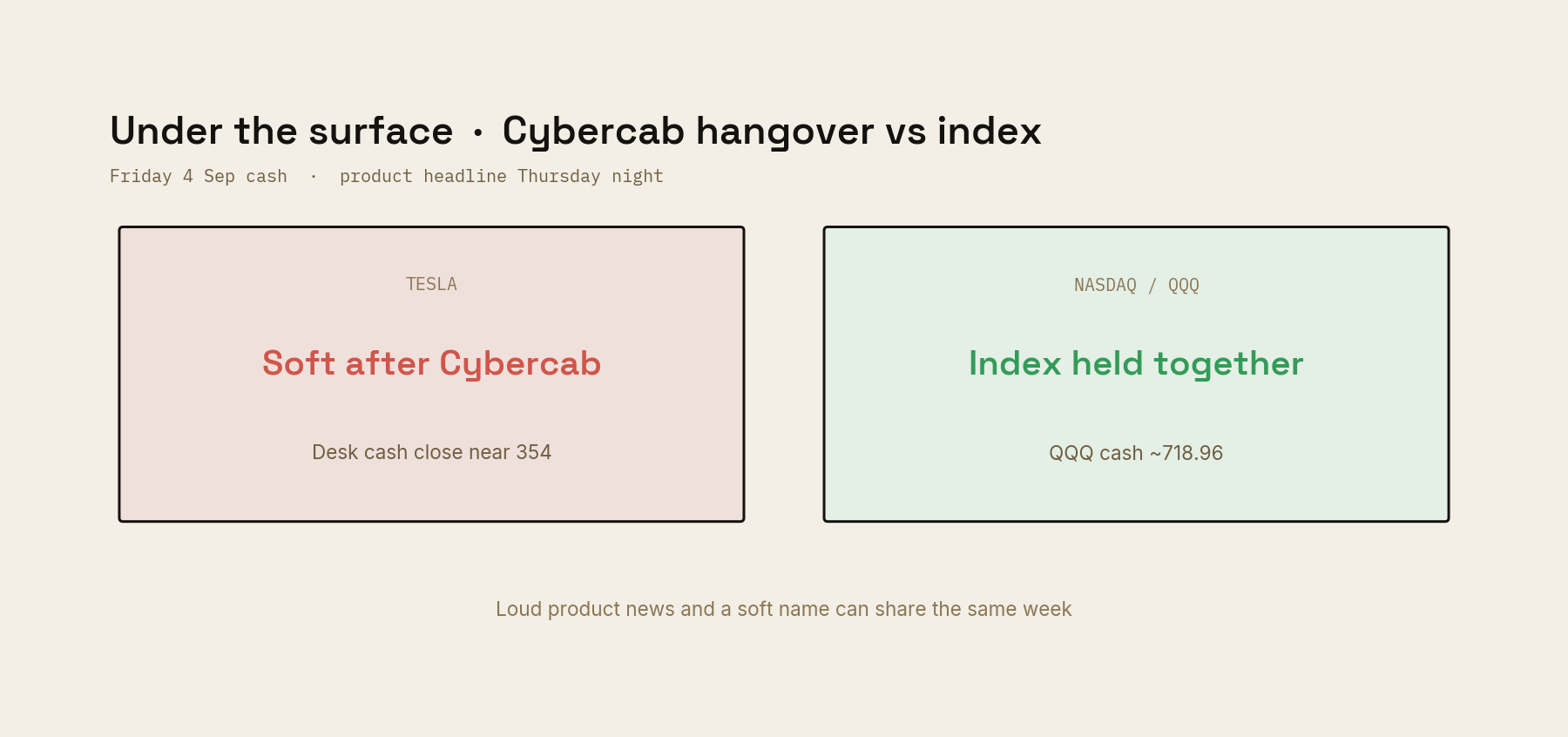
Figure 4. Product headline vs Friday tape - Tesla soft while the index held together.
What to watch next week
Labor Day Monday, 7 September - U.S. cash equities closed.
Tuesday, 8 September - cash reopen.
Futures and overseas books can still move Monday while New York is dark, so Tuesday may open with a story already written overnight. Into that reopen, watch four things:
- Oil - does the mid-$90s scare premium stick, or does it give ground while Asia is quiet for a session?
- The U.S. 10-year - sticky near the week’s highs, or easier once the holiday thins the calendar?
- The Fed path - does Tuesday treat Friday’s hot jobs print as a one-day hike scare, or as the start of a firmer rate path into the next meeting?
- Megacap growth and semis - do they reopen with the index, or keep splitting under the surface the way they did after payrolls?
The market already showed it can bounce on Fed words and sell on hard labor data in the same week. Next week’s job is to see which of those two lessons sticks after the holiday.
Dark Stone Capital · market overview