This is the way:
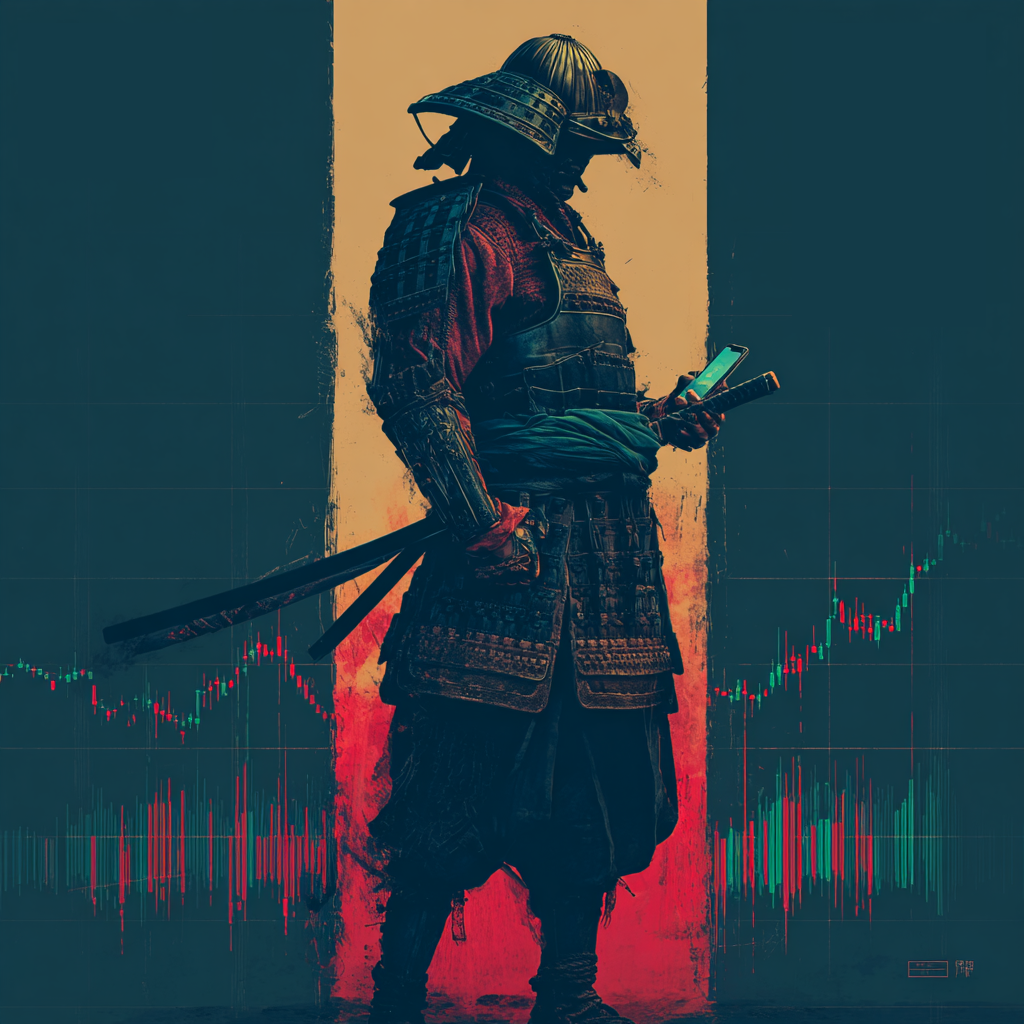
Miyamoto Musashi's Dokkodo (The Path of Aloneness) is a set of 21 precepts for living with discipline, detachment, and self-reliance. I've adapted them metaphorically into trading rules, drawing parallels between the samurai's mindset and the trader's need for emotional control, risk management, and strategic patience. These rules emphasize avoiding emotional biases, sticking to your system, and embracing market impermanence, perfect for volatile trading environments.
Here's the adapted list, with each precept rephrased as a trading rule:
| # | Original Precept | Trading Rule Adaptation |
|---|---|---|
| 1 | Accept everything just the way it is. | Accept market conditions as they are; don't fight trends or wish for different outcomes—trade what you see, not what you hope. |
| 2 | Do not seek pleasure for its own sake. | Avoid chasing "fun" trades or dopamine hits from frequent buying/selling; focus on disciplined entries/exits, not excitement. |
| 3 | Do not, under any circumstances, depend on a partial feeling. | Never act on gut feelings or incomplete data; base decisions on full analysis, indicators, and confirmed signals. |
| 4 | Think lightly of yourself and deeply of the world. | Ego-check your trades—don't overestimate your predictions; study global markets, news, and macro factors deeply. |
| 5 | Be detached from desire your whole life long. | Detach from greed; set profit targets and stop-losses in advance, and honor them without emotional attachment. |
| 6 | Do not regret what you have done. | No regrets on closed trades—learn from losses, but don't dwell; review, adjust strategy, and move forward. |
| 7 | Never be jealous. | Ignore others' gains; focus on your own plan—FOMO (fear of missing out) leads to impulsive, losing trades. |
| 8 | Never let yourself be saddened by a separation. | Don't mourn exited positions; cutting losses or taking profits is part of the game—separation preserves capital. |
| 9 | Resentment and complaint are appropriate neither for oneself nor others. | Blame no one—not the market, news, or "manipulators"; take responsibility for your trades and adapt. |
| 10 | Do not let yourself be guided by the feeling of lust or love. | Avoid falling in "love" with a stock or asset; trade objectively, not based on hype or emotional bias. |
| 11 | In all things have no preferences. | Be asset-agnostic—trade any opportunity that fits your criteria, without favoritism toward specific stocks or sectors. |
| 12 | Be indifferent to where you live. | Be flexible with markets—trade globally or across asset classes without attachment to one "home" exchange. |
| 13 | Do not pursue the taste of good food. | Shun overindulgence in luxury from wins; reinvest wisely and maintain a frugal trader's lifestyle to build longevity. |
| 14 | Do not hold on to possessions you no longer need. | Regularly prune your portfolio—sell underperformers or irrelevant holdings; don't hoard losing positions. |
| 15 | Do not act following customary beliefs. | Question conventional wisdom; backtest ideas and avoid herd mentality—trade contrarian when data supports it. |
| 16 | Do not collect weapons or practice with weapons beyond what is useful. | Use only essential tools and indicators; avoid overcomplicating with too many charts, bots, or unproven strategies. |
| 17 | Do not fear death. | Embrace risk of "death" (account blowups)—but mitigate with position sizing; fearlessness comes from preparation. |
| 18 | Do not seek to possess either goods or fiefs for your old age. | Don't hoard wealth indefinitely; set retirement goals, but trade actively—focus on sustainable growth over accumulation. |
| 19 | Respect Buddha and the gods without counting on their help. | Respect market forces and luck, but rely on your strategy—not prayers, superstitions, or hoping for miracles. |
| 20 | You may abandon your own body but you must preserve your honour. | Risk capital (your "body"), but never compromise ethics—avoid scams, insider trading, or dishonest practices. |
| 21 | Never stray from the Way. | Stay true to your trading plan; discipline is the path—deviations lead to ruin. |
Whether you're a day trader battling short-term swings or a long-term investor weathering economic storms, these Dokkodo-inspired rules serve as a guide to maintaining clarity and resilience.
Embracing the Path in Trading
These rules aren't just philosophical musings; they're practical tools for thriving in the unpredictable arena of financial markets. By adopting a Dokkodo mindset, traders can cultivate the detachment and discipline needed to outlast emotional pitfalls and capitalize on opportunities. Remember, trading, like the samurai's path, is a solitary journey, rely on yourself, adapt to the present, and let go of what no longer serves you.
If you're ready to integrate these principles into your strategy, start small: Pick one rule to focus on this week and observe how it transforms your approach. Trade wisely, and may your path be one of aloneness and abundance.